
For overseas buyers, sourcing products from Yiwu involves much more than finding a supplier and requesting a quotation. A complete order may involve product research, supplier comparison, price negotiation, sample development, purchase confirmation, production follow-up, quality inspection, warehouse receiving, consolidation, and international shipping.
This is where a sourcing agent can connect different parts of the purchasing process. Instead of treating each activity as an isolated task, the agent can coordinate information between the buyer, suppliers, warehouse, inspection team, and logistics provider.
Understanding the workflow is useful for buyers considering whether to use a sourcing partner and for companies that want clearer expectations before placing their first order.
A sourcing agent typically acts as a local coordination point between an overseas buyer and Chinese suppliers.
The exact scope varies by provider, but the workflow may include supplier search, quotation collection, product comparison, negotiation, sample coordination, order placement, production follow-up, inspection, warehouse management, and shipment coordination.
The value is not simply that the agent can find products. The more important function is connecting supplier-side activities with the buyer's commercial requirements.
The process begins with a clear purchasing brief.
Before searching for suppliers, the agent needs to understand what the buyer actually wants. Product photographs alone may not be sufficient. The brief may need to include materials, dimensions, colors, packaging, target quantity, application, customization requirements, target price, certification requirements, and expected delivery date.
For recurring buyers, previous order information can also be useful because it provides a reference for quality and specifications.
The clearer the requirements, the easier it is to identify suitable suppliers.
Supplier search is the foundation of the sourcing process.
An agent may use local market knowledge, existing supplier networks, product databases, trade contacts, and physical market visits to identify potential sources.
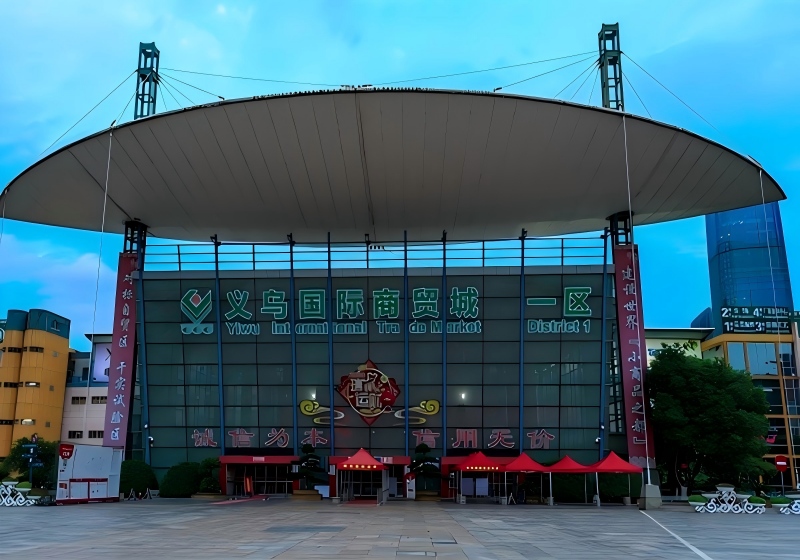
For buyers looking specifically for yiwu market suppliers, the advantage of local sourcing is that product research can be connected directly with the physical wholesale market environment.
However, supplier discovery should not be confused with supplier approval. Finding a supplier is only the beginning. The supplier's product quality, capacity, pricing, communication, and commercial terms still need to be evaluated.
Once several potential suppliers are identified, the agent can collect and organize quotations.
Price is important, but it should not be the only comparison factor.
A useful supplier comparison may include:
| Factor | Why It Matters |
|---|---|
| Unit price | Establishes initial purchasing cost |
| MOQ | Determines order flexibility |
| Material | Affects product quality and compliance |
| Production capacity | Influences scalability |
| Lead time | Affects delivery planning |
| Sample quality | Provides a product reference |
| Packaging | Influences retail presentation and logistics |
| Customization | Determines ability to meet buyer requirements |
| Communication | Influences order management |
| Payment terms | Affects transaction structure |
A slightly higher quotation may sometimes represent a supplier with stronger capabilities, better packaging, or more suitable production capacity.
After identifying suitable suppliers, the agent can negotiate commercial terms.
Negotiation may cover unit price, MOQ, packaging, sample fees, production lead time, payment terms, customization charges, and shipping preparation.
The objective should not simply be to push the supplier toward the lowest possible price. A price that cannot support the required quality or production schedule may create larger problems later.
Effective negotiation balances cost with the buyer's actual requirements.
Samples provide a physical reference before larger production begins.
For standard products, the sample may already exist. For customized products, the supplier may need to modify materials, colors, dimensions, logos, packaging, or functionality.
The buyer should review the sample against the original specification.
If changes are required, they should be documented clearly. A revised sample should not be treated as equivalent to an earlier version without confirming what changed.
This process is particularly important for private-label or customized products.
After sample approval and commercial negotiation, the buyer can move toward order confirmation.
The purchase information should identify the supplier, product, specification, quantity, price, packaging, delivery requirements, and other agreed conditions.
At this stage, the sourcing agent should ensure that the supplier and buyer are working from the same final specification.
Ambiguities that remain at the order-confirmation stage can become expensive once production begins.
Production follow-up helps buyers maintain visibility after the order has been placed.
The agent may communicate with the supplier regarding production progress, material availability, estimated completion, packaging, and unexpected delays.
This is especially valuable for overseas buyers who cannot easily visit the factory.
If a supplier reports a delay or material problem, the agent can communicate the issue to the buyer and help determine whether the order should be adjusted.
Quality control should be based on the agreed specification.
Depending on the product, inspection may involve appearance, dimensions, materials, functionality, color, labeling, packaging, quantity, or other criteria.
The buyer should define important quality points before production is completed.
A clear inspection standard makes it easier to determine whether a product meets the agreed requirements rather than relying on subjective expectations after production.
If problems are discovered, the sourcing agent can communicate corrective requirements to the supplier and coordinate rework or replacement where commercially appropriate.
After suppliers complete production, goods may be delivered to a warehouse.
Warehouse receiving allows the shipment to be counted, identified, inspected where required, and organized before international transportation.
This is especially useful when products come from multiple suppliers.
The warehouse can maintain records for each supplier shipment so that missing cartons, quantity differences, or damaged packaging can be identified before consolidation.
Before shipment, the sourcing agent should reconcile the purchasing records with the physical goods.
The comparison can include:
Original order quantity
Actual received quantity
Product specification
Supplier
Inspection result
Packaging
Carton count
Weight
Outstanding issues
If a supplier has delivered 950 units against an order for 1,000, the difference should be identified before the shipment is finalized.
This gives the buyer an opportunity to resolve the discrepancy instead of discovering it after international transportation has begun.
A sourcing partner can become more useful when the service extends beyond supplier discovery.
A structured china sourcing service may connect supplier identification with quotation comparison, negotiation, sample development, order follow-up, quality control, warehousing, and logistics coordination.
This integrated approach can reduce the number of separate parties the overseas buyer needs to coordinate.
It also creates a more continuous information flow. A specification established during supplier search can remain connected to the sample, purchase order, inspection, warehouse receiving, and shipment.
If goods from several suppliers are involved, the warehouse can consolidate them into one shipment where appropriate.
The decision depends on the destination, cargo characteristics, shipment urgency, freight costs, and the buyer's logistics plan.
Before consolidation, all relevant goods should ideally have been received and reconciled.
The final shipment information may include total cartons, weight, dimensions, product descriptions, and destination details.
After the cargo is prepared, the shipment can move into the export and international logistics stage.
The exact process depends on the transportation method and commercial terms.
Sea freight may be appropriate for larger shipments with less urgent delivery requirements, while air freight may be considered for smaller or time-sensitive cargo. Other transport solutions may be appropriate depending on the destination and product.
The sourcing agent may coordinate with the logistics provider to ensure that shipment information is consistent with the physical cargo and commercial documentation.
Communication should be structured from the beginning.
Instead of sending fragmented product requirements through multiple messages, buyers can create a master purchasing brief and update it when requirements change.
Important decisions should be confirmed in writing, particularly changes involving:
Product specifications
Quantity
Price
Packaging
Delivery date
Supplier
Inspection requirements
Shipment instructions
This reduces the risk that the buyer, agent, and supplier are working from different versions of the order.
A useful sourcing report should help the buyer make a decision rather than simply provide a list of suppliers.
Depending on the project, it may include supplier names, product photos, quotations, MOQ, sample information, production capabilities, estimated lead times, customization options, and relevant observations.
For supplier comparison, standardized information is particularly valuable because it allows buyers to evaluate multiple suppliers using the same criteria.
Risk cannot be eliminated entirely, but the sourcing process can be structured to identify problems earlier.
A practical approach is to start with a clear product specification, compare multiple suppliers, verify samples, document commercial terms, inspect production where appropriate, and reconcile goods before shipment.
Buyers should also understand the commercial relationship with the sourcing agent. The agency fee, supplier payment process, inspection scope, warehouse charges, and logistics responsibilities should be clarified before the order is placed.
A sourcing agent may be useful when the buyer lacks local supplier knowledge, needs access to a broad product range, wants help communicating with Chinese suppliers, or needs local coordination for quality and logistics.
It may also be useful for established companies that already have suppliers but need additional support with inspections, warehouse consolidation, or order follow-up.
The decision should be based on the buyer's actual operational requirements rather than simply the size of the order.
The first step is usually to provide a clear purchasing brief covering the product, quantity, specifications, target price, packaging, customization, and delivery requirements.
Yes. Comparing several suppliers can help buyers evaluate pricing, MOQ, quality, production capability, and commercial terms before selecting a supplier.
Buyers should not assume that an agent automatically guarantees quality. Quality responsibilities, inspection procedures, and corrective processes should be agreed upon in advance.
Many sourcing providers can coordinate customized products, but the exact capabilities depend on the product and supplier. Sample development and specification confirmation are particularly important for customized orders.
Yes, where the provider offers warehouse and consolidation services. The warehouse can receive different supplier shipments and prepare them for combined transportation.
The agreement should clarify service scope, fees, payment arrangements, sourcing responsibilities, inspection procedures, warehouse handling, confidentiality where relevant, and logistics coordination.
A Yiwu sourcing agent can support an overseas buyer throughout the purchasing cycle, from the first supplier search to the final shipment. The process generally involves requirement analysis, supplier discovery, comparison, negotiation, samples, purchase confirmation, production follow-up, quality control, warehouse receiving, reconciliation, consolidation, and logistics.
For buyers, the most important consideration is not simply whether an agent can find a supplier. The broader question is whether the agent can establish a reliable workflow in which product requirements, supplier communication, quality information, warehouse records, and shipment data remain connected throughout the order.
A clearly defined process gives both sides a stronger foundation for managing international procurement.
 0086-579-85208991
  info@binachina.com
 English